As a passionate farmer and photography enthusiast, I have always been intrigued by the idea of capturing stunning aerial views of the fields I work on. Recently, I discovered the incredible world of drone photography in agriculture and how it is revolutionizing the way farmers approach crop management. From enhancing precision farming techniques to providing new perspectives on agricultural landscapes, drones are changing the game for farmers around the world. In this article, I will delve into the advantages of using drones in agriculture, how drone photography is transforming farming practices, the beauty of capturing fields from above, and the ways in which drone technology is enhancing crop management. Let’s soar into the skies and explore the vast possibilities that drone photography offers in agriculture!
Table of Contents
One of the main advantages of using drones in agriculture is the ability to gather real-time data on crop health, soil conditions, and pest infestations. With advanced sensors and cameras, drones can capture high-resolution images that provide farmers with valuable insights into the health of their crops. This data-driven approach allows farmers to make informed decisions and optimize their crop management practices for better productivity and sustainability.
Another significant advantage of drone technology in agriculture is its cost-effectiveness and efficiency. Traditional methods of crop monitoring, such as manual scouting or satellite imagery, can be time-consuming and labor-intensive. Drones offer a faster and more cost-effective solution, allowing farmers to cover large areas of land in a fraction of the time. In fact, research from the International Journal of Agricultural and Biological Engineering found that using drones for crop monitoring can reduce operational costs by up to 50% compared to conventional methods. This not only saves farmers time and labor but also increases the overall efficiency of their operations.
Drones also play a crucial role in reducing environmental impact and promoting sustainable farming practices. By providing farmers with detailed insights into crop health and soil conditions, drones enable precise application of fertilizers, pesticides, and irrigation. This targeted approach minimizes the use of chemicals and water, ultimately reducing the environmental footprint of agriculture. This demonstrates how drones are not only improving productivity but also promoting environmentally friendly practices in agriculture.
The integration of drone photography in agriculture is transforming the way farmers approach crop management and decision-making processes. By capturing detailed aerial images of their fields, farmers can identify crop stress, disease outbreaks, or other issues that may not be visible from ground level. This allows for early intervention and targeted treatments, leading to improved crop health and yields. Additionally, drones equipped with multispectral cameras can provide farmers with valuable data on crop health indicators such as chlorophyll levels, leaf area index, and canopy temperature. This data can be analyzed using specialized software to generate maps and reports that help farmers optimize their farming practices.
Furthermore, drone photography is enhancing the efficiency and accuracy of field scouting and monitoring. Instead of walking through fields or relying on satellite imagery, farmers can now use drones to quickly and effectively survey their crops from above. This level of precision allows farmers to address issues promptly and prevent potential crop losses. Additionally, the real-time data collected by drones can be integrated with other precision agriculture technologies, such as GPS-guided tractors or automated irrigation systems, to enable more streamlined and precise farming operations.
Moreover, drone photography is revolutionizing the way farmers communicate and collaborate with agronomists, researchers, and other stakeholders in the agricultural industry. By sharing aerial images and data collected by drones, farmers can seek expert advice, troubleshoot problems, and make data-driven decisions in a timely manner. This collaborative approach not only enhances the knowledge and expertise of farmers but also fosters innovation and sustainability in agriculture. The ability to analyze and interpret aerial images allows farmers to gain new perspectives on their fields and explore innovative farming practices that maximize productivity and resource efficiency.
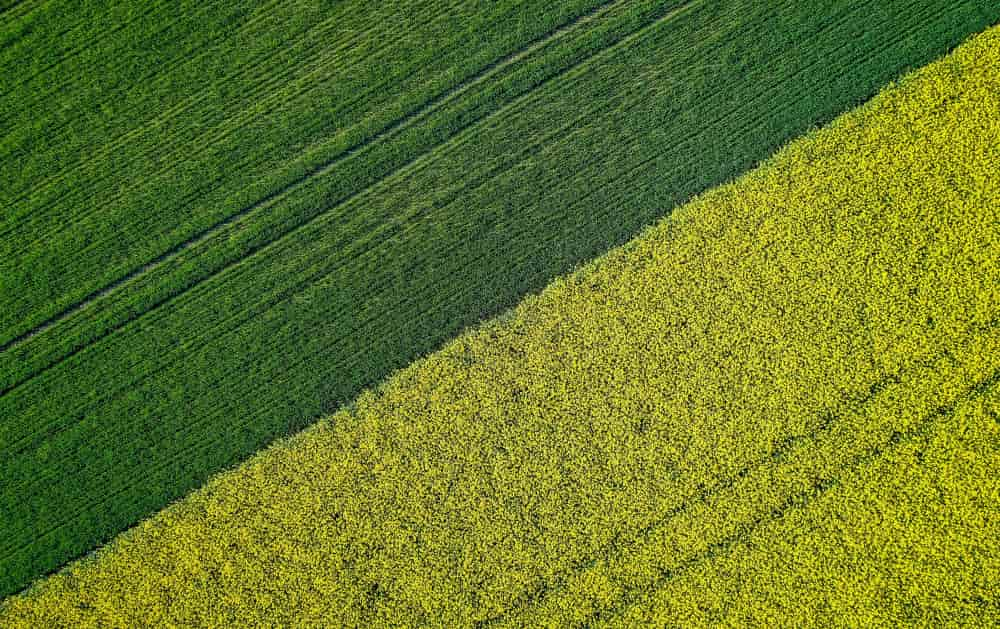
One of the most exciting aspects of drone photography in agriculture is the ability to capture breathtaking aerial views of fields and landscapes. With drones, farmers can showcase the beauty and diversity of their crops from a unique perspective, highlighting the intricate patterns and colors that make each field unique. Whether it’s a vibrant field of sunflowers swaying in the breeze or a lush vineyard stretching out into the horizon, drone photography allows farmers to capture the essence of their work in a visually stunning way. This is particularly valuable in specialized areas such as seed breeding, where documenting the development and variations of crops from above can offer crucial insights. The detailed aerial images captured by drones not only serve practical purposes in crop monitoring but also offer a creative outlet for farmers to express their passion for agriculture through photography.
In addition to capturing the beauty of agricultural landscapes, drone photography can also be used for educational and promotional purposes. Farmers can create engaging visual content, such as videos or photo galleries, to showcase their operations, share farming techniques, and raise awareness about sustainable agriculture practices. By leveraging the power of drone photography, farmers can connect with consumers, strengthen their brand identity, and promote a deeper appreciation for the hard work and dedication that goes into producing food and crops. Drone photography has the potential to bridge the gap between farmers and consumers, fostering transparency and trust in the agricultural industry.
Furthermore, drone photography offers a new perspective on the vastness and complexity of agricultural landscapes. By soaring above the fields and capturing aerial views, farmers can gain a greater understanding of the overall health and layout of their operations. With the ability to survey large areas of land in a single flight, drones provide farmers with a bird’s eye view that reveals patterns, trends, and challenges that may not be apparent from the ground. This holistic view of the farm, especially in seed breeding programs, allows farmers to make informed decisions, optimize resource allocation, and plan for future improvements. Drone photography not only captures the physical beauty of fields but also empowers farmers with valuable insights that drive sustainable and efficient farming practices.
Drone technology is revolutionizing crop management by providing farmers with precise and timely information to optimize their farming practices. One of the key ways in which drones enhance crop management is through the use of multispectral imaging and thermal sensors to detect crop stress, disease outbreaks, and nutrient deficiencies. With advanced sensors onboard, drones can capture detailed images that reveal subtle differences in crop health, allowing farmers to take proactive measures to address issues before they escalate.
Moreover, drone technology enables farmers to conduct regular field surveys and monitoring with speed and precision. Instead of relying on traditional methods of scouting, such as walking through fields or manual inspections, farmers can now deploy drones to quickly scan large areas of land and identify problem areas. The real-time data collected by drones can be analyzed using artificial intelligence and machine learning algorithms to generate actionable insights and recommendations for farmers. This efficiency gains allow farmers to make data-driven decisions with confidence and optimize their crop management strategies for better outcomes.
Furthermore, drone technology plays a vital role in promoting sustainable farming practices and environmental stewardship. By providing farmers with detailed information on soil conditions, moisture levels, and crop health, drones enable precise application of inputs such as fertilizers, pesticides, and water. This targeted approach minimizes the use of chemicals and resources, reducing the environmental impact of agriculture while maximizing resource efficiency. By leveraging drone technology for crop management, farmers can achieve higher productivity, profitability, and sustainability in their operations.
Drone photography in agriculture offers a wealth of opportunities for farmers to enhance crop management, capture stunning aerial views of their fields, and promote sustainable farming practices. The ability to gather real-time data, improve decision-making processes, and optimize resource allocation through drone technology is transforming the way farmers approach agriculture. From precision farming techniques to creative visual storytelling, drones are reshaping the agricultural landscape and driving innovation in the industry. As a farmer and photography enthusiast, I am excited about the endless possibilities that drone photography offers, and I look forward to exploring new horizons in agriculture through the lens of a drone. Thank you for joining me on this journey through the skies of farming excellence!

Christmas Lights: Immortalizing the Magic of the Night in Images Christmas lights up our cities and homes with twinkling lights, creating a magical and warm atmosphere. In this article, let’s dive into the art of night photography to capture the magic of Christmas lights in a creative and captivating way. Discover practical tips for playing […]

Photography is like a moment frozen in time, a window on the world around us.

Idée cadeau pour lui, maroquinerie française à découvrir
Fête des pères


